Understand where you are.
An estimate of your current cycle state, informed by your measurements and what you're experiencing.
We’re building a biological digital twin of your menstrual cycle that learns from your hormone measurements and wearable data to reveal your current cycle state and how it may change.
Explore the visionA date on a calendar is one piece of the story. We want to connect the biology behind it, so you can make sense of today and anticipate what comes next.
An estimate of your current cycle state, informed by your measurements and what you're experiencing.
Personal forecasts that update with new information and show how much confidence to place in them.
A longer view of what repeats across your cycles, including changes in energy, sleep, and symptoms.
We're building a model of how your hormones interact. It uses your measurements to estimate where you are in your cycle and forecast what could come next.
Your hormone measurements help build a picture of your cycle. With each new measurement, the model updates where you are and what could come next.
Everyday cycle understanding and prediction. We want to learn which forecasts people would use regularly, how often they would measure, and what they would pay for.
Test whether earlier measurements help forecast later changes. If that works, investigate which measurements matter most and when to take the next one.
Why do hormonal changes affect people differently? In time, the same foundation could support research and clinical tools.
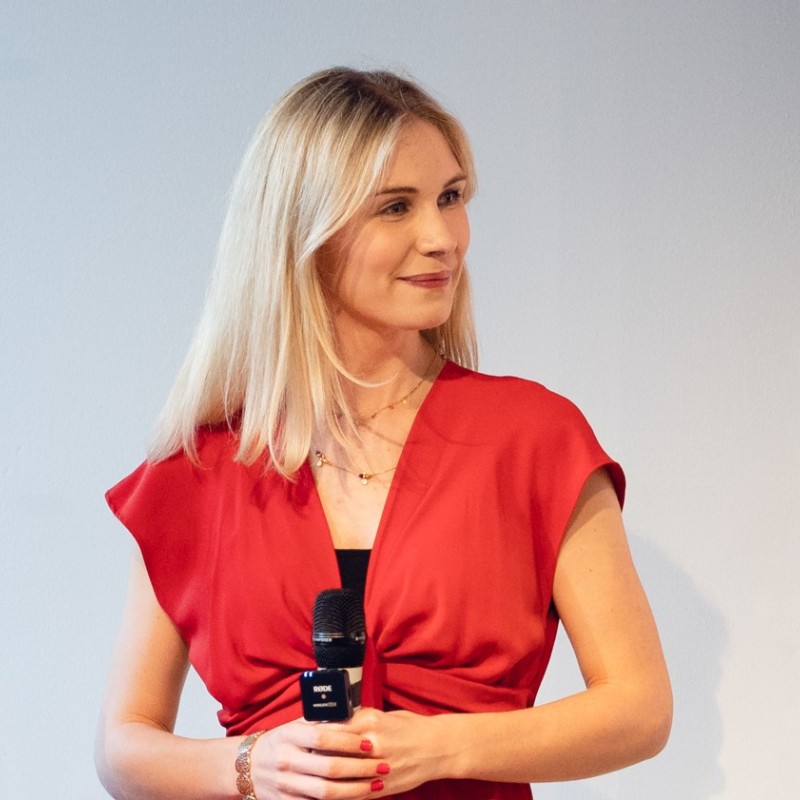
Co-Founder & CEO
Management & Technology @ Technical University of Munich
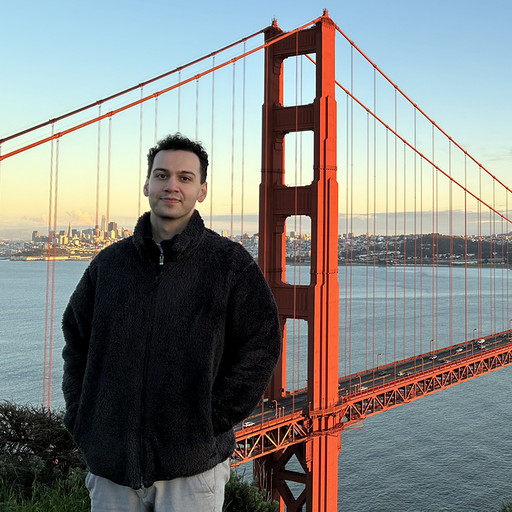
Co-Founder & CTO
Computational Biology @ Technical University of Munich
A computational model designed to represent your cycle and update with new observations. We begin with a shared model of hormonal feedback and update the estimated cycle state from personal measurements. Additional personal parameters are a separate question to test.
Hormone measurements anchor the model. Wearables provide frequent, indirect signals such as temperature, resting heart rate, and sleep. We will test their additional forecasting value separately. Self-reports capture what you experience and support the longer-term work on personal patterns.
We're starting with a personal hormone forecasting model and testing its predictions against future measurements. The first milestone is to show whether a biological model improves on strong statistical forecasts using the same information.
Not yet. We're preparing the first forecasting study. The illustrations show the product vision, not a live health assessment.
We build on research into how hormones regulate the menstrual cycle. Our goal is to turn personal measurements into useful forecasts that improve as new information arrives.